Embroidered Patches
Embroidered Patches

Embroidered Patches: The Complete Guide to Iron-On, Velcro and Sew-On Styles

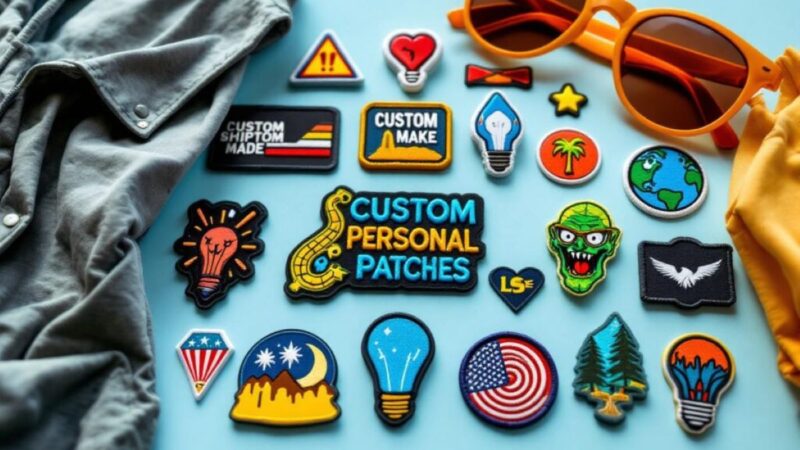
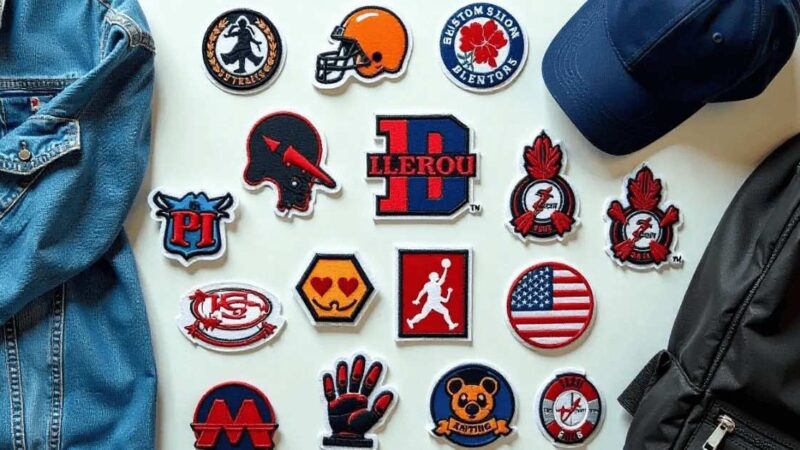
What are embroidered patches, and why do they still matter? Embroidered patches are stitched designs made on a fabric base, then cut and finished with a border. They matter because they add durable branding, rank, or personality without printing directly onto the garment. They also make replacements easy. If a uniform policy changes, they can swap embroidered patches instead of reordering entire items. Which backing types should they know about? Most embroidered patches come in three practical styles: iron-on, Velcro, and sew-on. Each one solves a different problem, depending on how permanent they want the patch to be and what fabric it will go on. Choosing the right backing up front prevents peeling edges, fabric scorching, and wasted time. How do iron-on embroidered patches work, and when should they use them? Iron-on embroidered patches use a heat-activated adhesive on the back. They should use them when they want a clean look with minimal sewing, especially for casual jackets, bags, and sturdy cotton items. They work best on fabrics that tolerate heat. If the garment is stretchy, waterproof, very thin, or textured, iron-on embroidered patches may not bond reliably. How do they apply iron-on embroidered patches correctly? They should preheat the garment, place the patch adhesive-side down, and use a pressing cloth to protect stitches. Firm pressure matters more than sliding the iron around. After pressing, they should let it cool fully before testing the edge. If corners lift, they can re-press with the cloth, or reinforce with a few stitches for long-term hold. When are Velcro embroidered patches the better option? Velcro embroidered patches are best when they need to remove, swap, or reposition patches regularly. That is common for tactical gear, event staff, airsoft groups, and uniforms with role changes. They should confirm they have the matching hook-and-loop field on the garment or add one first. Velcro embroidered patches add thickness, so they are less ideal for lightweight shirts. What should they look for in Velcro quality and attachment? They should look for strong hook material, dense loop fields, and clean edge finishing to avoid fraying. If the patch is large, they benefit from rounded corners to reduce peeling. For heavy use, they should choose Velcro embroidered patches with stitching around the Velcro backing, not just glue, because repeated ripping can stress the bond. Why are sew-on embroidered patches still the most durable? Sew-on embroidered patches are the most secure because thread physically locks the patch to the fabric. They should choose sew-on embroidered patches for uniforms, workwear, kids’ backpacks, and anything washed often. They also handle heat-sensitive materials better. Since no adhesive is required, sew-on embroidered patches work on nylon, softshells, and delicate fabrics when stitched carefully. How should they sew on embroidered patches neatly? They can pin the patch in place, then stitch close to the border using a matching thread color. A simple whip stitch is fast, while a straight stitch around the edge looks clean and flat. If they want extra security, they can sew a second pass. For thick embroidered patches, a thimble or heavier needle saves time and frustration. Other Resources : A Beginner’s Guide to Sewing on a Patch How do they choose the right embroidered patches for fabric and use? They should match the backing to the environment. Iron-on is convenient, Velcro is modular, and sew-on is permanent. They should also consider wash frequency, abrasion, and weight. If the item is washed weekly or sees rough handling, embroidered patches with sew-on or reinforced edges usually perform best. What design details affect how embroidered patches look? Thread count, stitch direction, and border type shape the final look. They should expect small text to be clearer with slightly larger lettering and simpler fonts. Merrowed borders give a classic raised edge, while laser-cut borders can follow detailed shapes. High-contrast colors often make embroidered patches read better from a distance. What’s the simplest way for them to avoid common mistakes? They should test heat on a hidden area before applying iron-on adhesive. They should also avoid placing patches over seams, zippers, or very stretchy panels. For long-term use, they should treat embroidered patches like functional hardware. A few minutes spent choosing the right backing prevents most failures later. Related : Metal Keychain vs Acrylic Keychain: Which Holds Up Better as Branded Merch?

Read More
Metal Keychain
Metal Keychain

Metal Keychain vs Acrylic Keychain: Which Holds Up Better as Branded Merch?

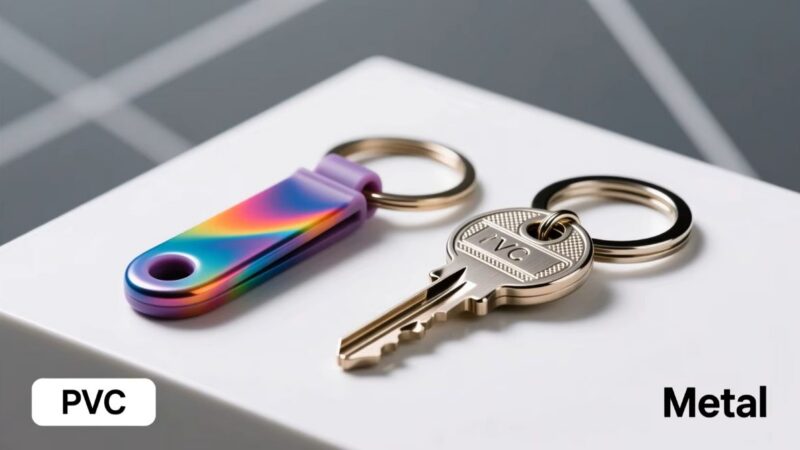
What does “holds up better” actually mean for keychains? “Hold up better” means the keychain resists scratching, bending, cracking, fading, and hardware failure over time. It also means it keeps a premium look after months of friction against keys, coins, and zippers. For branded merch, the goal is simple: the item should still look like an ad they are proud of. How do metal keychains perform in everyday wear? Metal keychains usually win on long-term toughness. They resist cracking, handle drops well, and can stay presentable even after heavy use. Businesses wanting durable branded merchandise with a more premium feel can check out more about custom metal keychains and promotional products here. For branded merch, metal often feels “gift-like,” which can improve perceived value and retention. That said, metal can show scuffs, micro-scratches, and plating wear, especially on glossy finishes. If theirs will live in a crowded keyring, minor cosmetic wear is normal. How do acrylic keychains perform in everyday wear? Acrylic keychains are lightweight and can look great at first, especially with bold color printing. But acrylic can scratch more easily and may crack if it takes a sharp impact or gets crushed in a tight bag. For branded merch, acrylic works best when the design is the main draw and the expected lifespan is shorter. Their durability improves with thicker acrylic, rounded edges, and protective coatings. Still, acrylic tends to show wear faster than metal in high-friction scenarios. Which material resists scratches and scuffs better? Metal usually resists deep damage better, but it can still scuff and lose shine. Brushed finishes often hide scratches better than mirror-polished ones. For branded merch, selecting a finish that masks wear can matter as much as the base material. Acrylic is more prone to visible scratches, especially on clear pieces. If theirs includes full-bleed art, scratches can dull the look and reduce readability. Check out more about Safer and more sustainable materials. Which handles drops, pressure, and bending better? Metal generally handles drops and pressure better because it is less likely to crack. A metal body can dent, but it often stays usable. For branded merch, that means fewer broken giveaways and fewer disappointed recipients. Acrylic can snap or chip if it lands on an edge or gets squeezed hard. If theirs will be used by students, commuters, or event crowds, metal is usually the safer bet. Which keeps branding looking sharp for longer? Metal branding methods like engraving, embossing, and enamel inlays tend to last. Printed metal can wear depending on coating quality, but the best finishes hold up well. For branded merch, long-lasting brand clarity is a big advantage. Acrylic relies heavily on print quality and protection. Double-sided printing and clear coats help, but heavy rubbing can still fade or scratch the surface over time. What hardware failures should they watch for with each type? Hardware is often the weakest link for both. Split rings can deform, jump rings can open, and clasps can break if they are thin. For branded merch, upgrading hardware quality can matter more than switching materials. Metal bodies typically pair well with sturdier hardware. Acrylic pieces sometimes ship with lighter attachments; if theirs needs to survive daily pulling and swinging, thicker jump rings and stronger clasps are worth specifying. Which feels more premium as branded merch? Metal usually feels heavier and more premium, which can make recipients keep it longer. For branded merch, that higher perceived value can translate to more daily exposure. Acrylic can still feel premium when the artwork is strong and the production is clean. Clear acrylic, layered effects, and custom shapes can look impressive, but it is typically perceived as more “fun” than “luxury.” Which is better for different campaign goals? Metal is better when they want longevity, premium feel, and high daily-use retention. For branded merch aimed at VIPs, partners, staff gifts, or high-value leads, metal is usually the stronger choice. Acrylic is better for colorful designs, quick trend-based drops, and budget-friendly bulk distribution. For branded merch at conferences, pop-ups, and large events, acrylic can still work well if they accept faster wear. So, which holds up better as branded merch? Metal keychains typically hold up better over time, especially in rough daily conditions. They resist cracking, handle drops, and keep a premium feel longer, which helps branded merch stay in circulation. Acrylic keychains can still be a smart pick when design impact and cost matter most. If theirs will be distributed widely and replaced often, acrylic can deliver strong visual branding even if it shows wear sooner. Related : Embroidered Patches: The Complete Guide to Iron-On, Velcro and Sew-On Styles

Read More
How Custom Lapel Pins Are Used in Corporate Branding Today
Promotional Products

How Custom Lapel Pins Are Used in Corporate Branding Today

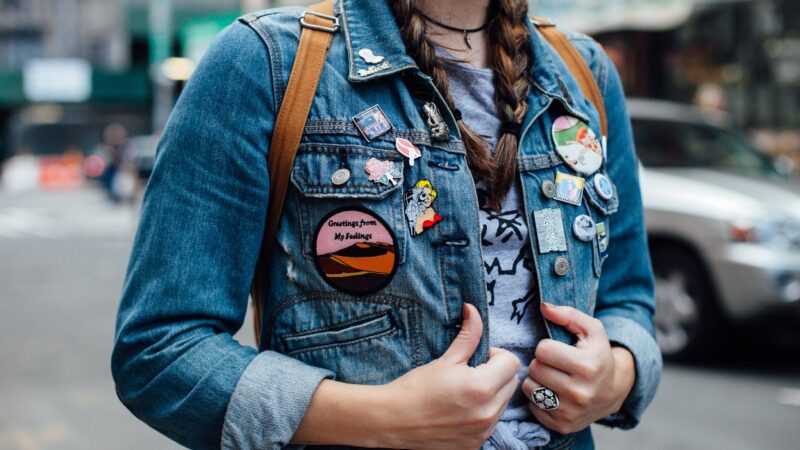
Custom lapel pins are no longer just accessories; they have evolved into key marketing tools that boost brand identity, engage employees and thrill customers. These small yet powerful items have revolutionised the promotional products industry, which was valued at nearly $25.6 billion in 2022. With so many companies recognising the potential of these customised items, understanding their applications and benefits in corporate branding is more important than ever. The Evolution of Promotional Products in Corporate Branding Transforming Corporate Identity with Creative Elements Promotional products have long been a staple in corporate branding. Today, 65% of companies integrate promotional items into their marketing strategies, leveraging these products to create lasting impressions with customers. The evolution in design and customisation has made it easier to incorporate brand messaging into everyday items that employees and consumers love and remember. Custom lapel pins, in particular, have captured the imagination of businesses worldwide. Their compact form and ability to be customised to reflect unique brand details make them a compelling tool for embedding a company’s identity into everyday accessories. Businesses now see these pins as more than just giveaways; they are symbols of affiliation, pride, and connection. Even well-established corporations are making the shift toward more personalised promotional items. Brands are committed to ensuring that each piece of merchandise speaks directly to their corporate identity, and custom lapel pins provide the perfect medium for this expression. Statistical Impact and Consumer Engagement Recent studies show that 84% of consumers feel more inclined to purchase from a company after receiving a promotional product. This is further reinforced by the statistic that 58% of respondents can recall the name of the advertiser who gifted them an item. These numbers highlight the remarkable recall value of personalised promotional items, including custom lapel pins. The statistics indicate that consumers trust and engage with brands that invest in quality promotional products. Companies that offer these items witness higher retention rates, with 75% of consumers keeping a promotional item for over a year. Such longevity reinforces brand familiarity, turning what might seem like a small gesture into a long-lasting brand experience. This trend suggests that promotional products, especially customised accessories like lapel pins, not only serve as marketing tools but also as enduring symbols of brand loyalty, which can significantly impact both consumer behaviour and overall market reputation. The Power of Custom Lapel Pins in Modern Corporate Culture Enhancing Employee Engagement and Satisfaction In a competitive business landscape, employee satisfaction translates into enhanced productivity. Companies that incorporate custom enamel pins for employee recognition have observed up to a 15% boost in employee satisfaction. These pins act as a subtle yet powerful acknowledgement of an employee’s contributions. Lapel pins serve as tangible symbols of accomplishment, transforming recognition from a simple act into a meaningful tradition. When employees wear these pins, they not only feel valued but also experience a sense of belonging and commitment to the organisation’s vision and culture. The physical act of pinning a custom lapel pin can symbolise a milestone or achievement. For many companies, it becomes a part of the ritual in team meetings, events, or award ceremonies, reinforcing bonds and motivating others to contribute towards shared success. Strengthening Brand Identity and Unity Corporate branding extends beyond logos and catchphrases. Custom lapel pins offer a subtle yet effective method for reinforcing the company’s visual identity. When employees wear these pins, they become walking ambassadors for the brand, signalling unity and a shared commitment to the corporate mission. These pins can be designed to reflect brand colours, taglines, or even specific campaigns, making them versatile tools in every marketing arsenal. Many companies have reported that the consistent use of these pins within internal communications and public events has helped solidify a unified brand presence. In addition, custom lapel pins are affordable and highly customisable. Their low cost and high impact make them an attractive option for companies looking to establish or revamp their corporate branding strategy. The consistency in design across various items helps enforce the overall brand message, distinguishing the company in competitive markets. Creating a Successful Custom Lapel Pin Strategy Designing Pins That Reflect Brand Ethos The journey to creating a successful custom lapel pin begins with design. To truly reflect a brand’s ethos, the design must incorporate unique elements that set the company apart. This could be as simple as using the company’s signature colours or as intricate as integrating symbolic imagery that resonates with the target audience. Many businesses now collaborate with specialised designers or manufacturers who focus on creating artful and durable pins. These professionals ensure that every detail, from the choice of enamel colours to the type of metal base, aligns perfectly with the overall corporate image. The result is an accessory that not only looks great but also tells the brand’s story. A thoughtful design also considers the practical usage of the pin. Whether worn on a lapel, a bag, or any other accessory, the pin should be versatile and robust enough to withstand daily use while maintaining its aesthetic appeal. Effectively Distributing and Promoting Custom Lapel Pins The power of custom lapel pins lies in their distribution. They should be seen everywhere – at corporate events, employee recognition ceremonies, client meetings, and more. Distributing these small tokens of appreciation ensures that the brand message reaches a wider audience. Another effective strategy is to package these customised pins with other promotional items. This creates a cohesive gift, enhancing the overall branding impact. Companies often pair them with branded stationery or other memorabilia, which can lead to increased recall and long-term loyalty. It is also beneficial to utilise digital platforms to showcase the story behind each pin design. Social media campaigns featuring behind-the-scenes footage of the design process or employee testimonials on what the pins mean to them significantly boost the emotional connection with the consumers and employees alike. Case Studies and Success Stories Building a Strong Employee Culture Through Pin Distribution Consider the case of a prominent corporation that distributed custom lapel

Read More