
When someone orders custom stuffed animals, they usually care about two things: how they look on day one and how they hold up after months or years of hugs, washes, and travel. Fabric choice is the biggest durability lever they can control, because it affects seam stress, pilling, staining, stretching, and how well details stay intact.
In Australia, heat, humidity, beach days, daycare routines, and frequent washing can be tough on plush toys. Choosing the right textile helps personalised stuffed animals stay soft, safe, and presentable for longer, whether they are a keepsake, a gift, or a brand mascot.
What actually makes a fabric “durable” for custom stuffed animals?
A durable plush fabric resists abrasion, keeps its pile from matting, and holds stitches without tearing. In practice, they want a fabric that handles friction on high contact points like ears, paws, and bellies.
They should also look for stable knit or weave, strong backing, and colourfast dyeing. For custom stuffed animals, durability is less about “thickest fabric” and more about how fibres, construction, and finishing work together under real use.
How does plush (minky) perform over time?
Minky is popular because it feels premium and photographs well, which is why many custom stuffed animals use it. High quality minky resists fraying and can keep a smooth surface if it is properly backed and sewn with the right seam allowance.
The downside is heat and friction can cause “nap crush” and shiny tracks, especially on lighter colours. If they want minky, they should consider shorter pile for everyday toys and reserve long pile for display pieces.
Is fleece a better everyday fabric for durability?
Fleece is often a practical choice for custom stuffed animals because it is forgiving to sew, warm to the touch, and generally holds up to play. It typically resists fraying and is easier to spot clean than many high pile fabrics.
However, cheaper fleece pills quickly, especially after repeated washing. If they choose fleece, they should prioritise anti pill fleece and test how it looks after one wash before committing to a full production run.
What does cotton do well, and where does it wear out?
Cotton prints can make custom stuffed animals look highly customised, especially for character art, logos, or themed patterns. Cotton also breathes well, which can matter in warmer Australian climates if the toy will be carried around.
Cotton can wear faster at seams and edges because it has less stretch and can abrade at folds. If they use cotton, they should reinforce stress areas, use a sturdy weave, and consider a lining in high strain sections like arms and legs.
How do felt and craft fabrics affect longevity?
Felt is common for facial features and small appliqué details on custom stuffed animals because it cuts cleanly and holds shape. It works well when stitched down securely and kept away from high abrasion zones.
The durability issue is pilling and edge fuzzing, plus the risk of lifting corners over time. They will get longer life by using embroidered faces or tightly satin stitched appliqué instead of relying on glue or light top stitching.
Why does faux fur look great but sometimes fail faster?
Faux fur can make custom stuffed animals look realistic and high end, especially for bears, dogs, or native animal designs. The best versions have strong backing and dense fibres that shed less.
Lower quality faux fur can shed, mat, and split at seams when the backing is weak. If they choose faux fur, they should use wider seam allowances, trim pile from seam lines before stitching, and brush the toy after construction to reduce early shedding.
How much does fabric stretch influence seam strength?
Stretch is a hidden durability factor for custom stuffed animals because it changes how stress loads the seams. A little stretch can absorb pulling and squeezing without tearing stitches.
Too much stretch, though, can distort shapes and cause seam “laddering” if the stitch type is wrong. They should match fabric stretch to the pattern and use stitches designed for knits, plus stabiliser in narrow parts like necks and tails.
What role does fabric weight and backing play?
Fabric weight affects how well custom stuffed animals keep their structure. Heavier fabrics can feel sturdy, but if the backing is stiff or brittle, seams can pop where the toy flexes.
Backings matter most in plush and fur fabrics. A strong, flexible backing supports repeated bending and reduces tearing at stitch holes. They should ask suppliers about backing type and, if possible, request a swatch and perform a seam pull test.
Other Resources : Children’s products and toy safety
How do washing and cleaning habits change the best fabric choice?
Frequent washing is common for kids’ custom stuffed animals, especially for daycare in Sydney, Melbourne, Brisbane, and Perth where hygiene rules can be strict. Fabrics that trap lint, stain easily, or distort when wet will look old quickly.
They should favour colourfast fabrics, avoid delicate long pile for daily use, and choose materials that tolerate gentle machine cycles. A simple rule helps: if they cannot confidently wash the swatch, it is risky for a child’s everyday plush.
Why does colour and print method affect durability as much as fabric?
Two toys made from the same fabric can wear differently based on dye and print quality. For custom stuffed animals, poorly set dye can fade in sun exposure during outdoor play or car trips in strong Australian light.
Print methods also matter. Sublimation on polyester can be very durable, while some surface prints can crack at folds. They should request wash and rub fastness info where possible, especially for bright reds, deep blues, and blacks.
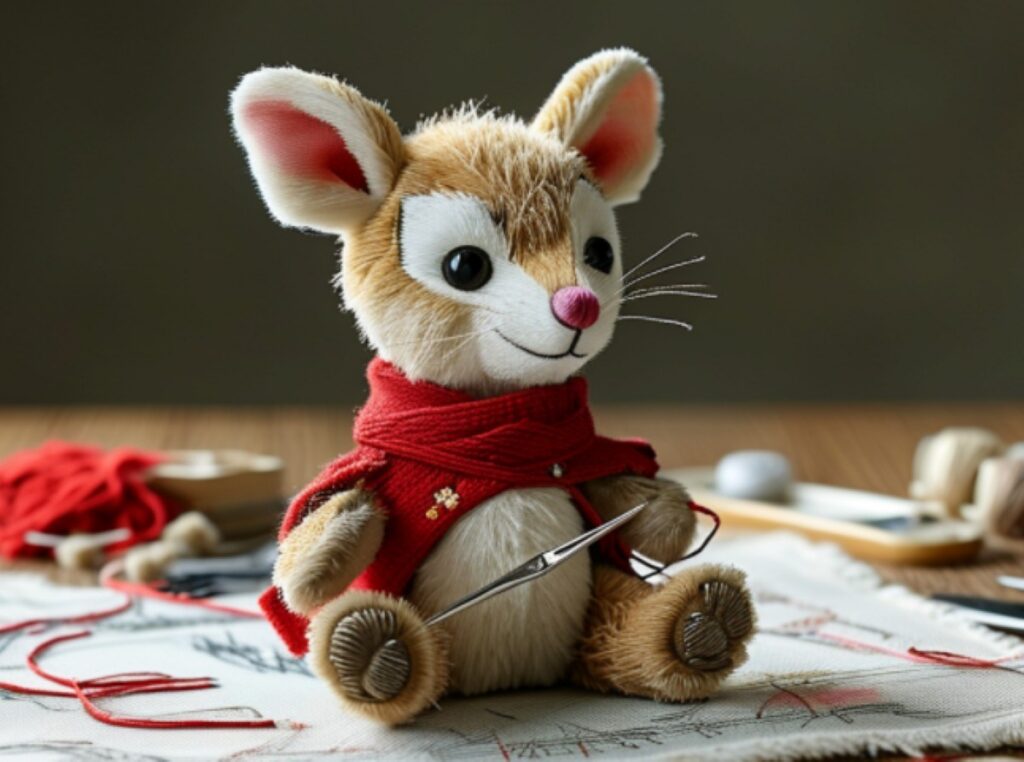
What fabric choices reduce pilling, matting, and “old toy” texture?
Pilling and matting are what make custom stuffed animals look tired, even when seams are intact. Shorter pile plush, anti pill fleece, and quality faux fur with dense fibres generally age better under friction.
They can also reduce wear by choosing mid tone colours that hide minor texture changes. If they want very light colours, they should plan for visible handling marks and consider giving the toy a “display” role rather than daily use.
How do seams, thread, and construction amplify or undermine fabric durability?
Fabric cannot compensate for weak construction, and strong construction can extend the life of average fabric. For custom stuffed animals, durability improves when they use proper seam allowances, consistent stitch length, and thread that matches the toy’s use case.
High stress areas benefit from double stitching or reinforced seams, especially where limbs attach. They should also avoid overstuffing, because extra internal pressure increases seam strain and can make fabrics distort faster.
Which fabrics hold embroidery and facial details best?
Faces take the most attention and are handled often, so they need durable detailing. Embroidery tends to outlast felt pieces or vinyl prints on custom stuffed animals, especially when the toy is washed.
Stable fabrics like minky with good backing and tightly knit fleece hold embroidery well without puckering. If they use woven cotton, they may need interfacing behind the embroidery area to keep the face smooth.
What should they choose for babies and toddlers in Australia?
For very young children, durability and safety sit together. They should prefer fabrics that wash well, do not shed easily, and feel soft against skin. For custom stuffed animals, short pile minky and quality anti pill fleece are common safer picks.
They should also avoid long faux fur and loosely woven fabrics that can shed fibres. If the toy is intended for a baby, they should keep embellishments minimal and prioritise embroidered or stitched on features.
How can they test fabric durability before committing to a custom run?
A quick home test can prevent disappointment. They can rub the swatch with a dry towel to check shedding, stretch it gently to see recovery, and wash it once to check pilling and colour bleed.
For custom stuffed animals, they can also stitch two swatches together and tug along the seam to see if holes widen. If the swatch looks worse after one wash, the finished toy will age quickly.
What are the best “durability first” fabric picks for custom stuffed animals?
If they want long wearing toys, short pile minky, anti pill fleece, and high quality faux fur with strong backing are usually dependable. Cotton works when reinforced and treated as a structured outer with careful construction.
The most durable custom stuffed animals also use thoughtful pairings, like a minky body with embroidered features, plus reinforced seams at limb joins. When they match fabric behaviour to how the toy will be used, the plush stays lovable for longer.
Related : How Does a Simple Sketch Become Custom Stuffed Animals for Mascots?
FAQs (Frequently Asked Questions)
What factors make a fabric durable for custom stuffed animals?
A durable fabric for custom stuffed animals resists abrasion, prevents pile matting, and holds stitches without tearing. Key qualities include stable knit or weave, strong backing, and colourfast dyeing. Durability depends on how fibres, construction, and finishing work together under real use rather than just fabric thickness.
How does minky fabric perform over time in custom stuffed animals?
Minky is popular for its premium feel and photographic appeal. High-quality minky resists fraying and maintains a smooth surface if properly backed and sewn with appropriate seam allowances. However, heat and friction can cause nap crush and shiny marks, especially on lighter colours. Shorter pile minky is better for everyday toys, while longer pile suits display pieces.
Is fleece a good choice for everyday durability in custom stuffed animals?
Fleece is practical for everyday use because it is warm, forgiving to sew, and generally withstands play well. It resists fraying and is easier to spot clean compared to high pile fabrics. However, cheaper fleece pills quickly after repeated washing. Choosing anti-pill fleece and testing it after washing is recommended before full production.
What are the benefits and drawbacks of using cotton in custom stuffed animals?
Cotton prints enable highly customised designs with character art, logos, or themed patterns. Cotton breathes well, which suits warmer Australian climates when toys are carried around. However, cotton can wear faster at seams and edges due to less stretch and abrasion at folds. Reinforcing stress areas and using sturdy weaves with lining in high strain sections improves longevity.
How do felt and craft fabrics affect the longevity of custom stuffed animals?
Felt is commonly used for facial features and small appliqué details because it cuts cleanly and holds shape when stitched securely away from high abrasion zones. Its durability issues include pilling, edge fuzzing, and lifting corners over time. For longer life, embroidered faces or tightly satin-stitched appliqué are preferred over glue or light top stitching.
Why might faux fur look great but fail faster on custom stuffed animals?
Faux fur offers a realistic, high-end look ideal for bears, dogs, or native animal designs. The best faux fur has strong backing and dense fibres that shed less. Lower quality versions shed excessively, mat, and split at seams due to weak backing. Using wider seam allowances, trimming pile at seam lines before stitching, and brushing after construction help reduce early shedding.