Embroidered Patches: The Complete Guide to Iron-On, Velcro and Sew-On Styles
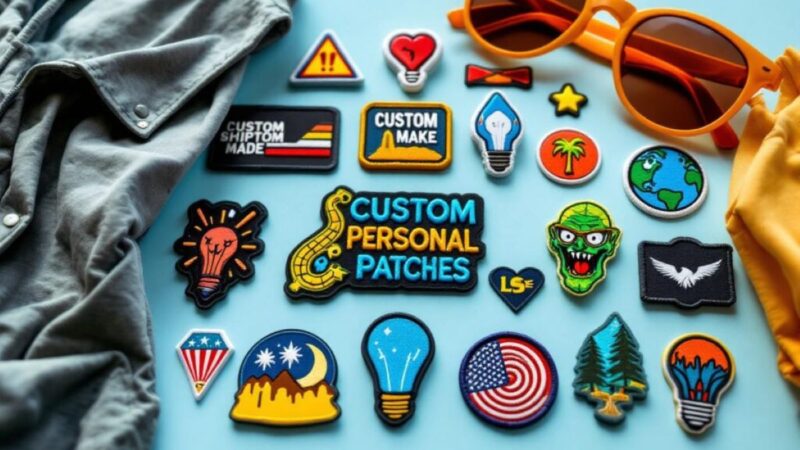
What are embroidered patches, and why do they still matter? Embroidered patches are stitched designs made on a fabric base, then cut and finished with a border. They matter because they add durable branding, rank, or personality without printing directly onto the garment. They also make replacements easy. If a uniform policy changes, they can swap embroidered patches instead of reordering entire items. Which backing types should they know about? Most embroidered patches come in three practical styles: iron-on, Velcro, and sew-on. Each one solves a different problem, depending on how permanent they want the patch to be and what fabric it will go on. Choosing the right backing up front prevents peeling edges, fabric scorching, and wasted time. How do iron-on embroidered patches work, and when should they use them? Iron-on embroidered patches use a heat-activated adhesive on the back. They should use them when they want a clean look with minimal sewing, especially for casual jackets, bags, and sturdy cotton items. They work best on fabrics that tolerate heat. If the garment is stretchy, waterproof, very thin, or textured, iron-on embroidered patches may not bond reliably. How do they apply iron-on embroidered patches correctly? They should preheat the garment, place the patch adhesive-side down, and use a pressing cloth to protect stitches. Firm pressure matters more than sliding the iron around. After pressing, they should let it cool fully before testing the edge. If corners lift, they can re-press with the cloth, or reinforce with a few stitches for long-term hold. When are Velcro embroidered patches the better option? Velcro embroidered patches are best when they need to remove, swap, or reposition patches regularly. That is common for tactical gear, event staff, airsoft groups, and uniforms with role changes. They should confirm they have the matching hook-and-loop field on the garment or add one first. Velcro embroidered patches add thickness, so they are less ideal for lightweight shirts. What should they look for in Velcro quality and attachment? They should look for strong hook material, dense loop fields, and clean edge finishing to avoid fraying. If the patch is large, they benefit from rounded corners to reduce peeling. For heavy use, they should choose Velcro embroidered patches with stitching around the Velcro backing, not just glue, because repeated ripping can stress the bond. Why are sew-on embroidered patches still the most durable? Sew-on embroidered patches are the most secure because thread physically locks the patch to the fabric. They should choose sew-on embroidered patches for uniforms, workwear, kids’ backpacks, and anything washed often. They also handle heat-sensitive materials better. Since no adhesive is required, sew-on embroidered patches work on nylon, softshells, and delicate fabrics when stitched carefully. How should they sew on embroidered patches neatly? They can pin the patch in place, then stitch close to the border using a matching thread color. A simple whip stitch is fast, while a straight stitch around the edge looks clean and flat. If they want extra security, they can sew a second pass. For thick embroidered patches, a thimble or heavier needle saves time and frustration. Other Resources : A Beginner’s Guide to Sewing on a Patch How do they choose the right embroidered patches for fabric and use? They should match the backing to the environment. Iron-on is convenient, Velcro is modular, and sew-on is permanent. They should also consider wash frequency, abrasion, and weight. If the item is washed weekly or sees rough handling, embroidered patches with sew-on or reinforced edges usually perform best. What design details affect how embroidered patches look? Thread count, stitch direction, and border type shape the final look. They should expect small text to be clearer with slightly larger lettering and simpler fonts. Merrowed borders give a classic raised edge, while laser-cut borders can follow detailed shapes. High-contrast colors often make embroidered patches read better from a distance. What’s the simplest way for them to avoid common mistakes? They should test heat on a hidden area before applying iron-on adhesive. They should also avoid placing patches over seams, zippers, or very stretchy panels. For long-term use, they should treat embroidered patches like functional hardware. A few minutes spent choosing the right backing prevents most failures later. Related : Metal Keychain vs Acrylic Keychain: Which Holds Up Better as Branded Merch?