
Choosing gift hampers for employees can feel surprisingly high stakes, especially in Australian workplaces where teams are diverse and expectations around fairness are strong. The goal is simple: give something thoughtful that feels equal, without accidentally rewarding visibility over contribution.
This guide breaks down a practical, bias-resistant way to handle choosing gift hampers for employees so the gesture lands well across offices, sites, and remote teams.
What does “playing favourites” look like when gifting at work?
It usually shows up as inconsistency: different value, different effort, or different access depending on who is closest to the organiser. In Australia, it can also appear as metro teams getting more polished gifts than regional or FIFO staff.
To avoid this, the organisation needs a repeatable process that makes choosing gift hampers for employees transparent and easy to explain.
Why do gift hampers trigger fairness concerns more than other gifts?
Gift hampers are visible, comparable, and often shared publicly in the office or on Teams. When people can easily see who received what, small differences feel bigger, even if unintentional.
That is why choosing gift hampers for employees works best when the gift is standardised, the budget is fixed, and variations are based on clear, neutral rules.
How can they set a budget that feels fair across the whole team?
They can set one budget per person and stick to it, including delivery. In Australia, freight can vary a lot between Sydney, Melbourne, Perth, and regional areas, so the organisation should decide whether shipping is included in the cap or handled separately.
A clear cap reduces guesswork and keeps choosing gift hampers for employees from drifting into uneven spending. “
Should everyone receive the same hamper, or should there be options?
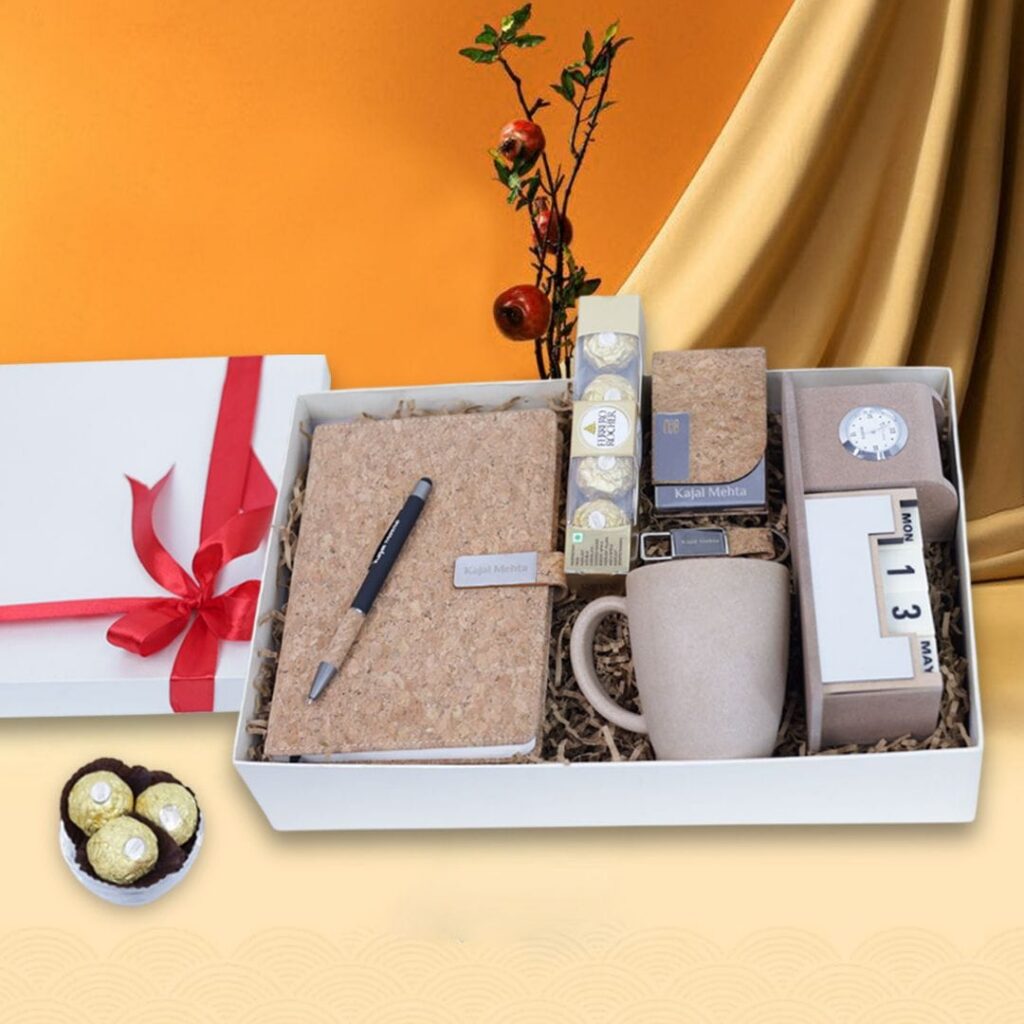
A single hamper is simplest and most defensible, but options can be fair too if they are controlled. A good approach is offering a small menu of equivalent hampers at the same price point.
This keeps choosing gift hampers for employees inclusive without creating tiers that look like status rewards.
What criteria can they use without introducing bias?
They should avoid subjective criteria like “most helpful” unless it is part of a formal, documented programme. Neutral criteria include tenure milestones, end of year thank you, completion of a project phase, or a fixed recognition calendar.
When choosing gift hampers for employees, the cleanest method is to link gifting to dates and policies, not opinions.
How do they handle dietary needs and allergies fairly?
They can collect preferences privately using a simple form that covers common needs in Australian teams, such as halal, kosher, vegan, gluten free, nut allergies, and alcohol free. The key is privacy and consistency: nobody should have to announce requirements in front of others.
If choosing gift hampers for employees includes food, offering a non food alternative of equal value is often the safest fallback.
Is alcohol in hampers a good idea in Australian workplaces?
Often, it creates more problems than it solves. Some employees do not drink for cultural, religious, medical, or personal reasons, and alcohol can be awkward for on site safety roles.
If they want a premium feel while choosing gift hampers for employees, they can use alternatives like sparkling tea, speciality coffee, artisan cordial, or luxe pantry items.
How can they include remote, hybrid, and FIFO employees equally?
They can ship to home addresses or provide a digital choice voucher that redeems for delivery across Australia. FIFO and remote staff should receive the same value, not whatever is easiest to deliver.
A consistent fulfilment plan is essential when choosing gift hampers for employees across states and time zones.
What should they do if roles or seniority differ across the organisation?
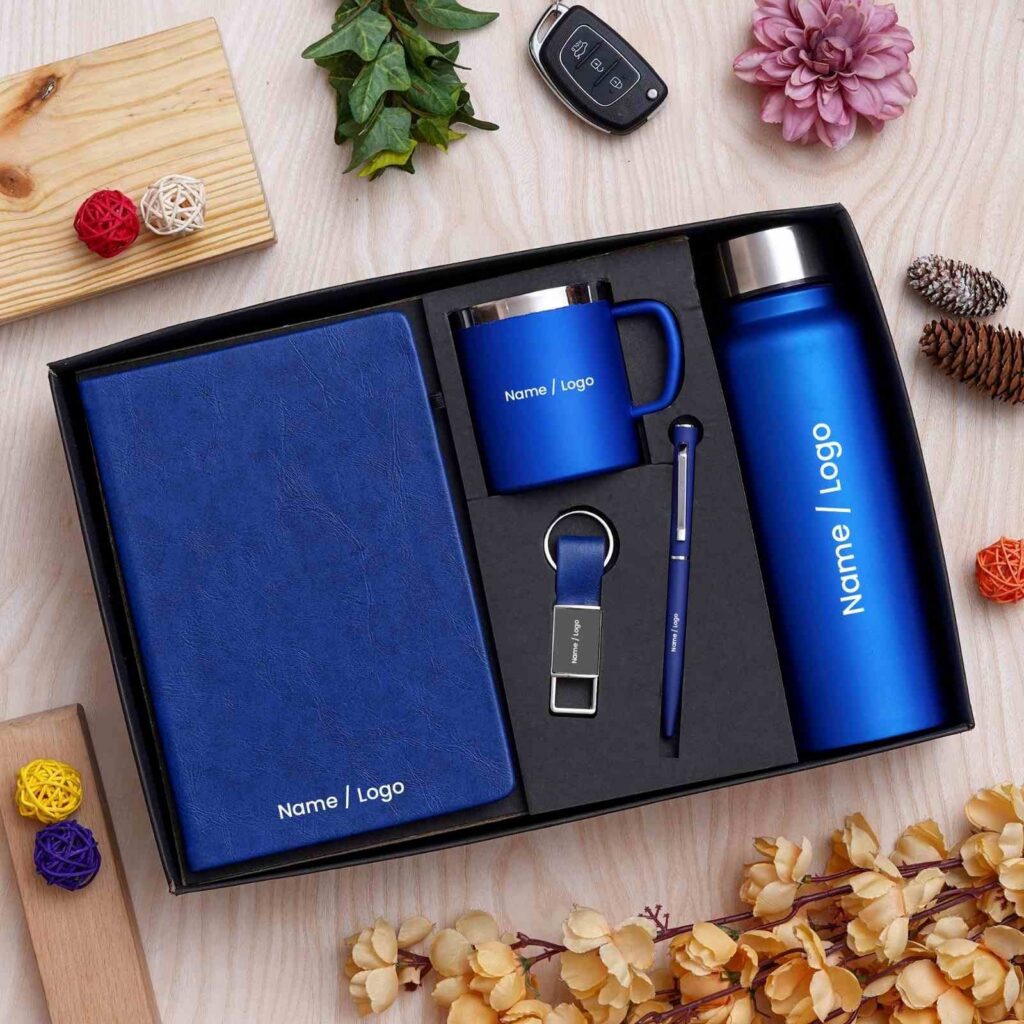
They can separate “thank you” gifting from formal reward. For general occasions, a flat gift for all staff is usually best. If leadership gifts need to differ, it should sit under a documented remuneration or recognition framework, not an informal hamper upgrade.
Choosing gift hampers for employees works best when it is not used to solve pay, promotion, or performance conversations.
How can they avoid the “most visible gets the best” problem?
They can centralise ordering and use a standard list, rather than letting individual managers improvise. Where managers can nominate staff, nominations should be written, time-bound, and reviewed against a clear rubric.
This structure keeps choosing gift hampers for employees consistent even when teams are spread across different managers.
What makes a hamper feel thoughtful without making it personal?
They can focus on quality, presentation, and usefulness rather than personal taste. Australian-made products, office share packs, and practical premium items tend to land well without implying closeness.
When choosing gift hampers for employees, “universally appealing” beats “hyper personal” in most corporate settings.
Which hamper themes are safest for diverse Australian teams?
They can choose themes that avoid cultural assumptions and food pitfalls. Popular safe themes include: morning tea, coffee and biscuits, pantry staples, wellness and self-care, desk snacks, and local produce selections with clear labelling.
A safe theme reduces the risk that choosing gift hampers for employees unintentionally excludes someone.
How can they keep value consistent when suppliers vary?
They can standardise by using one supplier, one price tier, and one packing style. If multiple suppliers are needed for delivery coverage across Australia, they should match SKUs or match retail value and item count as closely as possible.
Consistency is the backbone of choosing gift hampers for employees without drama.
Should they let employees choose their own hamper?
Choice can increase satisfaction, as long as it is equal. A controlled catalogue with three to five options at the same value is usually enough, and it reduces waste from unwanted items.
If choosing gift hampers for employees involves choice, the organisation should keep the options open for a set window and order all at once.
How do they communicate the gifting approach without sounding defensive?
They can explain it briefly and upfront: the budget, the options, and how preferences are handled. A short message works best, especially for large Australian teams where speculation spreads quickly.
Clear communication makes choosing gift hampers for employees feel like a policy, not a popularity contest.
What is a simple process they can follow each time?
They can run a repeatable checklist: set the occasion, set the budget, confirm headcount, collect preferences privately, pick one hamper or an equal menu, confirm delivery rules, then order in one batch. After delivery, they can log exceptions for next time.
A process like this turns choosing gift hampers for employees into admin, not politics.
What common mistakes cause resentment even when intentions are good?
The biggest issues are inconsistent value, late deliveries, and public comparisons. Another common mistake is giving one team a hamper and another team a gift card without equal value, which looks like a hierarchy.
Avoiding these traps is central to choosing gift hampers for employees in a way that feels fair.

How can they handle mistakes if someone feels overlooked?
They should respond quickly, privately, and with facts. If an error happened, fix it without making the employee prove their worth. If the complaint is about fairness, they can explain the policy and offer a practical remedy if the policy was not followed.
Owning errors protects trust when choosing gift hampers for employees goes wrong.
What should they document to keep everything consistent year to year?
They can document the budget cap, who is eligible, the supplier or approved list, how preferences are collected, and how exceptions are handled. This helps new managers and HR teams keep continuity across Australian offices.
Documentation stops choosing gift hampers for employees from changing with whoever is organising it.
How do they choose a supplier that supports fairness and reliability in Australia?
They can look for Australia-wide delivery coverage, clear allergen labelling, easy alcohol-free options, and consistent stock. It also helps if the supplier can hold pricing for bulk orders and provide tracking for multiple addresses.
Reliable logistics make choosing gift hampers for employees feel smooth and equal, not chaotic and uneven.
What is the fairest way to make gifting feel meaningful?
They can pair the hamper with a consistent message of appreciation and, where relevant, a team-wide note that recognises collective effort. The meaning comes from sincerity and consistency, not from upgrading a few people.
Done well, choosing gift hampers for employees becomes a simple, repeatable way to say thanks without creating favourites.
FAQs (Frequently Asked Questions)
Why is fairness particularly important when choosing gift hampers for employees in Australian workplaces?
Fairness is crucial because Australian teams are diverse and have strong expectations around equal treatment. Gift hampers are visible and comparable, so inconsistencies in value or effort can lead to perceptions of favouritism, especially between metro, regional, and FIFO staff. A transparent, repeatable process helps ensure the gesture feels thoughtful and equitable across all employees.
How can organisations set a fair budget for employee gift hampers that accounts for delivery costs across Australia?
Organisations should establish a fixed budget per person that includes delivery costs where possible. Since freight charges vary significantly between cities like Sydney, Melbourne, Perth, and regional areas, deciding whether shipping is included in the cap or handled separately ensures consistency. A clear spending cap prevents uneven expenditure and promotes fairness in gifting.
Should all employees receive the same hamper or be offered options?
While giving everyone the same hamper is the simplest and most defensible method, offering a small menu of equivalent hampers at the same price point can also be fair. This approach maintains inclusivity without creating tiers that might appear as status rewards, helping to keep the gifting process balanced and considerate.
What criteria can organisations use to choose recipients of gift hampers without introducing bias?
Neutral criteria such as tenure milestones, end-of-year thank yous, project phase completions, or fixed recognition calendars are recommended. Subjective measures like ‘most helpful’ should be avoided unless part of formal programmes. Linking gifting to dates and policies rather than opinions ensures a clean, unbiased selection process.
How should dietary needs and allergies be handled fairly when selecting gift hampers?
Organisations should collect dietary preferences privately via simple forms covering common needs like halal, kosher, vegan, gluten-free, nut allergies, and alcohol-free options. Maintaining privacy and consistency is key so employees don’t have to disclose requirements publicly. Offering non-food alternatives of equal value is also a safe fallback when including food items.
What strategies help include remote, hybrid, and FIFO employees equally in gift hamper programmes?
To ensure equal inclusion, organisations can ship hampers directly to home addresses or provide digital choice vouchers redeemable across Australia. It’s important that remote and FIFO staff receive gifts of the same value as on-site employees. Having a consistent fulfilment plan across different locations and time zones maintains fairness throughout the team.